

_Municipal_Seal.png&w=64&q=75 "Municipality of New Lucena, Iloilo")
From the Gym to the Stage: Distance and Displacement in the Cry of Jelicuon
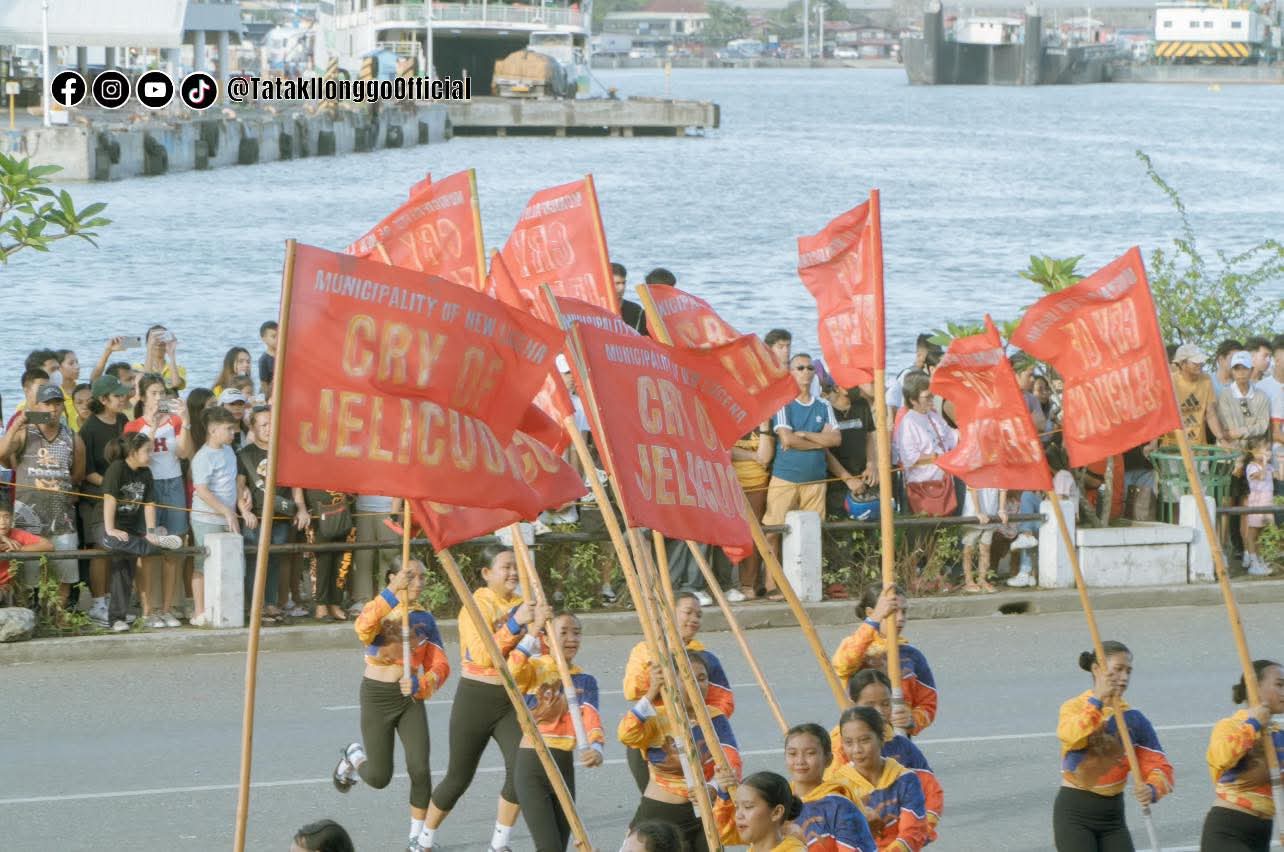
Every Cry of Jelicuon performer knows the drill: arrive at 7 AM, warm up with jogging laps along the practice gym's straight warm-up lane, then spend hours rehearsing entrances and exits across the stage. In all this movement, two different measurements are always at play — distance and displacement.
Distance is the total length of the path traveled, regardless of direction — a scalar quantity. The warm-up lane is an out-and-back lane: running down it and back again counts as one lap, so on a 200-meter lap the performer covers 200 meters of distance every lap. Run 5 full laps and the distance is 5 × 200 = 1,000 m. Displacement, however, measures only the straight-line change in position from the start to where you stop — it is a vector quantity with both magnitude and direction.
Here is the key: stopping part-way through a lap does not mean zero displacement. Suppose a performer runs 4.5 laps on the 200-meter lane. Their distance is 4.5 × 200 = 900 m — every metre run. But after 4 full laps they are back at the start, and that last half-lap leaves them standing at the far turn of the lane. So their displacement is the straight 100-meter line from the start to the turn — 900 m of distance, but only 100 m of displacement.
During the actual reenactment performance, a student performer runs from position A (stage-left) to position B (stage-right), a straight-line distance of 12 meters. Here, both distance and the magnitude of displacement are equal — 12 meters — because the path is a straight line with no backtracking.
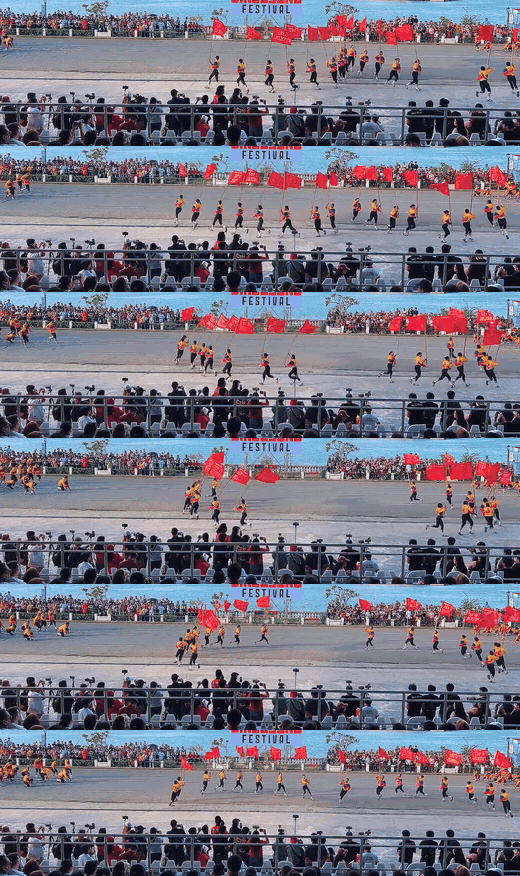
Props Have Displacement Too
Displacement is not limited to performers — it also describes how props move during the festival. When teachers and propsmen test large-scale structures like bamboo huts and risers during rehearsals, these objects are repeatedly pushed from a starting point to a new location. The straight-line change from where a riser started to where it ended represents its displacement, while the route taken during maneuvering represents total distance. Because risers must arrive at precise stage marks on cue, understanding displacement — not just distance traveled — is essential for the propsmen who guide them.